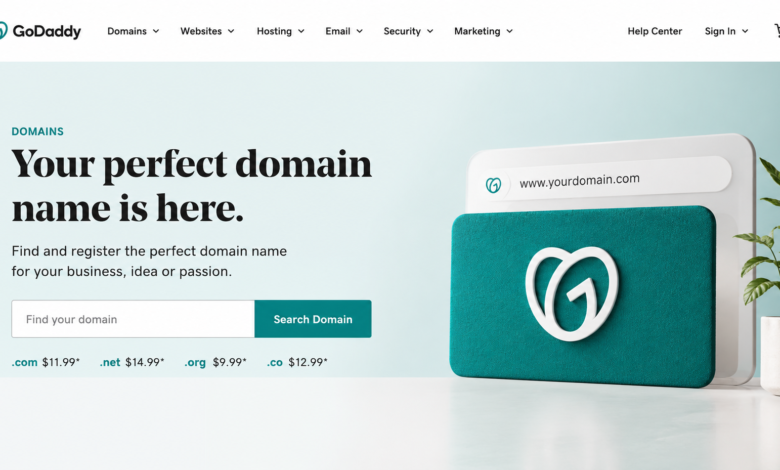
Choosing the right domain name is one of the most important decisions you’ll make when building an online presence. Whether you’re launching a personal blog, an eCommerce store, or a corporate website, your domain becomes the digital identity customers remember. A GoDaddy domain remains one of the most widely recognized choices because it combines accessibility, extensive tools, and beginner-friendly management.
Millions of website owners rely on GoDaddy to secure and manage their web addresses. From startups to established brands, the platform offers registration, transfers, DNS controls, and website-related services under one roof. Understanding how a domain registrar works and how domain ownership affects your long-term strategy can help you make smarter decisions from day one.
What Is a GoDaddy Domain?
A GoDaddy domain refers to a website address registered through GoDaddy, one of the world’s largest domain registrars. Users can search for available names, purchase extensions, and manage settings through a centralized dashboard. The company supports hundreds of top-level domains and offers comprehensive DNS management tools.
For beginners, the appeal lies in simplicity. Registration, renewal, and configuration are streamlined, while advanced users benefit from features like custom nameservers and domain forwarding. Businesses also appreciate integrated services such as web hosting and email hosting, reducing the need for multiple vendors.
Why Businesses Choose GoDaddy
Businesses often select GoDaddy because of its extensive infrastructure, global recognition, and broad product ecosystem. Entrepreneurs can secure domains, launch websites, and protect their brands using built-in WHOIS privacy and domain protection services.
Another advantage is scalability. A small company might begin with a single website and later expand into online stores, professional email, or marketing tools. Because GoDaddy supports SSL certificates and website security products, organizations can grow without migrating to another provider.
Available Domain Extensions
One reason a GoDaddy domain remains popular is the enormous selection of extensions. Traditional options such as .com, .net, and .org coexist alongside newer choices like .tech, .shop, and .online. This variety improves branding opportunities through custom domain names and specialized domain extensions.
Choosing an extension should align with business goals. A nonprofit may favor .org, while an online retailer could benefit from .store or .shop. Geographic businesses may prefer country-code domains and local SEO considerations to strengthen regional relevance.
How Domain Registration Works
Registering a domain begins with searching availability. If the desired name is free, users can purchase registration rights for a specified period, typically one to ten years. During registration, important settings involving ICANN regulations and registrant information must be completed accurately.
After purchase, the domain enters your account, where you can configure DNS records, connect hosting, or forward traffic elsewhere. Understanding DNS records and nameserver settings ensures websites and email services function correctly from the start.
Key Features Included with a GoDaddy Domain
Most registrations include basic management tools such as DNS controls, domain forwarding, and account administration. Users can edit records, create subdomains, and monitor ownership through an intuitive interface featuring domain forwarding and subdomain management options.
Additional premium features may include enhanced protection against unauthorized transfers and identity masking. Services like domain privacy protection and domain locking provide extra security, especially for businesses managing valuable digital assets.
GoDaddy Domain Pricing Explained
Pricing varies based on extension, demand, and promotional offers. Standard .com domains often start at introductory rates, while premium names can cost substantially more because of their branding value. Factors such as premium domains and renewal pricing significantly influence total ownership costs.
Prospective buyers should always review renewal terms before purchasing. Promotional discounts can be attractive, but long-term budgeting requires understanding annual renewals and auto-renew settings to avoid unexpected expenses.
GoDaddy Domain vs Other Registrars
The domain market includes several reputable providers, each with strengths and weaknesses. While GoDaddy excels in brand recognition and ecosystem breadth, competitors may emphasize lower pricing or minimalist interfaces centered around domain registration services and cloud infrastructure.
Decision-making should depend on specific requirements. Businesses seeking all-in-one convenience may prefer GoDaddy, whereas technically experienced users might prioritize registrars focused heavily on developer tools and API integrations.
| Feature | GoDaddy | Typical Budget Registrar | Premium Registrar |
|---|---|---|---|
| Domain Extensions | Extensive | Moderate | Extensive |
| Beginner Experience | Excellent | Good | Moderate |
| DNS Controls | Advanced | Basic to Advanced | Advanced |
| Customer Support | 24/7 in many regions | Limited | Strong |
| Integrated Hosting | Yes | Sometimes | Limited |
| Brand Recognition | Very High | Moderate | High |
SEO Benefits of Using the Right Domain
A domain itself does not automatically improve rankings, but strategic choices support overall SEO efforts. Memorable, relevant names encourage user trust, direct visits, and brand recall, strengthening organic traffic and search visibility.
Successful SEO depends more on content quality, site performance, and user experience than keywords in URLs alone. Still, a clear domain combined with effective content marketing and technical SEO creates a strong foundation for long-term growth.
Common Mistakes to Avoid
Many website owners register domains impulsively without considering future branding needs. Choosing overly complex names can create confusion and reduce memorability. Evaluating brand consistency and user experience before purchase prevents costly rebranding later.
Another frequent mistake involves neglecting renewals and security settings. Expired domains may be lost permanently, while inadequate safeguards increase risk. Activating two-factor authentication and monitoring account security are essential best practices.
Managing DNS and Technical Settings
DNS settings determine where visitors, email, and online services connect. Users often configure A records, CNAME records, and MX records to support websites and communications. Understanding DNS propagation and mail exchange records helps troubleshoot issues efficiently.
Although beginners may initially find DNS confusing, GoDaddy’s interface simplifies common tasks. Businesses managing multiple services should document DNS configurations and maintain backup settings to minimize disruptions during changes.
Domain Transfers and Ownership Changes
Transferring a domain from another registrar to GoDaddy is generally straightforward. The process typically requires unlocking the domain, obtaining an authorization code, and confirming transfer requests while complying with transfer policies and ICANN guidelines.
Ownership changes within organizations also require careful planning. Maintaining accurate administrative contacts and clear ownership records protects businesses from disputes, especially when employees or agencies manage digital assets.
Security and Brand Protection
Domains often represent significant business value, making security a top priority. Cybercriminals sometimes target valuable web addresses through phishing or unauthorized transfer attempts. Features such as registry lock and fraud prevention add critical layers of protection.
Organizations should regularly audit account permissions and enable all available safeguards. Combining cybersecurity practices with brand monitoring helps preserve reputation and maintain uninterrupted online operations.
Future Trends in Domain Registration
The domain industry continues evolving as businesses seek distinctive online identities. New extensions, internationalized domains, and AI-driven search tools are reshaping how organizations approach branding through digital identity and online branding strategies.
At the same time, consumer expectations continue rising. Faster websites, stronger security, and seamless experiences increasingly influence purchasing decisions, making website performance and customer trust central to domain strategy.
“Your domain name is your brand’s home on the internet; choose it with the same care as your company name.”
Conclusion
A GoDaddy domain offers far more than a simple website address. It provides access to a mature ecosystem of registration, management, security, and business tools suitable for beginners and experienced professionals alike.
The ideal domain strategy balances branding, usability, security, and long-term growth. By understanding pricing, technical settings, and SEO implications, organizations can maximize the value of their online presence and build a sustainable digital foundation.
FAQ
Is a GoDaddy domain good for beginners?
Yes. A GoDaddy domain is especially beginner-friendly because it includes simple management tools, intuitive dashboards, and extensive support resources.
Can I transfer my existing domain to GoDaddy?
Yes. Most domains can be transferred by unlocking the domain, obtaining an authorization code, and completing the transfer process.
Does a GoDaddy domain improve SEO rankings?
A GoDaddy domain alone does not improve rankings, but a strong domain combined with quality content and SEO best practices supports better visibility.
How much does a GoDaddy domain cost?
Pricing varies depending on the extension, promotional offers, and renewal rates. Premium domain names generally cost significantly more.
Should I purchase domain privacy protection?
Yes. Privacy protection helps hide personal registration information and reduces spam, making it valuable for most website owners.
Can I connect a GoDaddy domain to another hosting provider?
Absolutely. A GoDaddy domain can be connected to virtually any hosting company by modifying DNS or nameserver settings.
You May Also Read: Business Tips RobTheCoins