Wide Rib Cage Explained: Causes, Body Shape, Health Effects, Fitness Strategies, and Common Myths

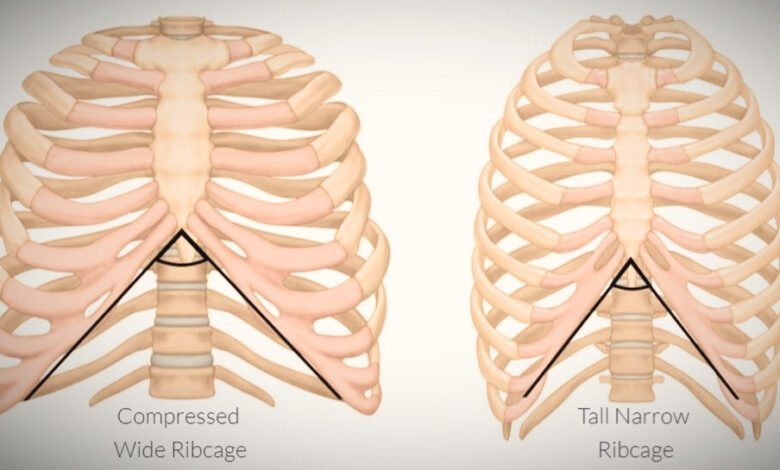
A wide rib cage is a physical characteristic that influences how the upper body looks, feels, and functions. Many people notice they have a broader chest area compared to others and wonder whether it is caused by genetics, weight gain, exercise, posture, or an underlying health condition. In most cases, a wider rib cage is simply a normal variation in human anatomy rather than a medical concern.
Understanding rib cage structure can help people make informed decisions about fitness, body image, posture, and overall health. Whether you are an athlete, someone focused on physique development, or simply curious about your body shape, learning how the rib cage affects appearance and movement provides valuable insight. This guide explores the anatomy, causes, health implications, and practical strategies related to a wide rib cage while addressing common misconceptions.
Understanding the Anatomy of a Wide Rib Cage
The rib cage is a protective framework composed of ribs, cartilage, and the sternum. It surrounds vital organs such as the heart and lungs while supporting breathing mechanics and upper-body movement. The size and shape of the rib cage vary naturally among individuals due to skeletal structure and thoracic anatomy.
A wide rib cage generally refers to a chest structure that extends more broadly from side to side than average. Some people are born with a naturally broader thorax, while others may appear wider because of muscle development, posture habits, or body composition. Understanding these differences helps distinguish normal anatomy from perceived abnormalities involving body proportions and chest width.
What Causes a Wide Rib Cage?
Genetics is the most common reason for a broader rib cage. Just as people inherit height, shoulder width, or facial features, they can also inherit a naturally wider chest structure. Family traits often influence overall bone structure and body frame dimensions.
Lifestyle and physical development can also contribute to the appearance of a wide rib cage. Strength training, especially exercises targeting the back, chest, and shoulders, can create a broader upper-body silhouette. Additionally, factors such as muscle mass and upper-body development may make the rib cage seem larger even when the skeletal structure remains unchanged.
The Role of Genetics in Rib Cage Shape
Genetics strongly influences how the thoracic cavity develops throughout childhood and adolescence. Some individuals inherit a broad torso that becomes more noticeable as they mature. This variation is typically associated with natural physique and skeletal genetics rather than any medical issue.
A person with a wide rib cage often has relatives who share similar body proportions. This familial pattern highlights how inherited characteristics contribute to chest dimensions. In many cases, broad ribs accompany wider shoulders, larger lung capacity, or a naturally athletic appearance linked to body composition and genetic traits.
How a Wide Rib Cage Affects Body Shape
One of the most visible effects of a wider rib cage is its influence on overall body proportions. The torso may appear larger relative to the waist, creating a more rectangular or athletic silhouette. This characteristic can impact perceptions of body symmetry and physical appearance.
For some individuals, a wide rib cage contributes to a strong and powerful look. Others may feel that their waist appears less defined because the lower ribs extend outward. Regardless of aesthetic preferences, body shape is determined by a combination of torso dimensions and waist-to-shoulder ratio, not solely rib cage width.
Is a Wide Rib Cage Normal?
A broad rib cage is usually a normal anatomical variation. Human bodies come in many shapes and sizes, and chest width differs significantly across populations. Most cases are simply part of an individual’s unique body type and physical build.
People sometimes compare themselves to unrealistic beauty standards and assume a wide rib cage is unusual. In reality, medical professionals generally consider rib cage size normal unless accompanied by symptoms such as pain, breathing difficulties, or structural abnormalities involving chest development and skeletal health.
Common Misconceptions About a Wide Rib Cage
A widespread myth is that rib cages can be significantly reduced through exercise. While fitness routines can improve posture and body composition, they cannot substantially alter adult bone structure. This misunderstanding often stems from confusion between fat distribution and skeletal anatomy.
Another misconception is that a wide rib cage automatically indicates excess weight. Many lean individuals naturally possess broad rib cages due to genetics. The appearance of width often reflects natural frame size and bone density rather than body fat levels.
Wide Rib Cage vs Broad Shoulders
Broad shoulders and a wide rib cage frequently occur together, but they are not the same thing. Shoulder width is primarily influenced by clavicle length and muscle development, while rib cage width relates to thoracic structure and skeletal proportions.
Someone may have broad shoulders without a particularly wide chest, while another individual may have a wide rib cage despite average shoulder dimensions. Understanding this distinction helps people evaluate their physique more accurately using postural assessment and body measurements.
Can Weight Gain Make the Rib Cage Look Wider?
Weight gain does not enlarge the bones of the rib cage, but it can affect how the torso appears. Increased fat storage around the abdomen, back, and chest may create the impression of a larger upper body through changes in body fat percentage and fat distribution.
Likewise, weight loss can reveal the natural contours of a wide rib cage, making it more noticeable in some individuals. These visual changes are often related to physique transformation and body composition changes rather than alterations in skeletal structure.
Fitness and Exercise Considerations
People with a broad chest structure often excel in sports and activities requiring upper-body strength. The larger thoracic framework may support effective breathing mechanics and create favorable leverage for certain movements involving athletic performance and functional strength.
When training with a wide rib cage, focusing on balanced muscle development is important. Strengthening the back, shoulders, and core can improve posture while enhancing overall physique aesthetics through better muscle balance and core stability.
Best Exercises for Individuals With a Wide Rib Cage
Compound movements such as rows, pull-ups, and deadlifts help develop balanced upper-body strength. These exercises support proper alignment while improving postural muscles and upper-back strength.
Individuals with a wide rib cage may also benefit from core-focused training. Exercises like planks, dead bugs, and controlled rotational movements contribute to improved abdominal stability and functional movement patterns, helping the torso appear more proportionate.
The Relationship Between Posture and Rib Cage Appearance
Posture significantly affects how the chest looks. Poor alignment can make the rib cage appear larger or more prominent than it actually is. Forward shoulders and excessive spinal curvature often influence perceptions of postural alignment and body mechanics.
Improving posture can enhance the visual balance of a wide rib cage. Standing tall with proper shoulder positioning creates a more symmetrical appearance while supporting healthier spinal health and movement efficiency.
Rib Flare and a Wide Rib Cage
Rib flare occurs when the lower ribs protrude outward more than normal. This condition can sometimes be mistaken for having a naturally broad rib cage. However, rib flare is often associated with core weakness and breathing mechanics rather than overall chest width.
People with a wide rib cage may or may not experience rib flare. Addressing movement patterns and strengthening the core can often improve rib positioning and support better postural control and muscular coordination.
Health Conditions Associated With Rib Cage Shape
Most wide rib cages are completely normal and unrelated to health concerns. However, certain developmental conditions can influence chest structure. Medical evaluation may be appropriate if changes are accompanied by discomfort, pain, or breathing issues involving thoracic development and respiratory function.
Healthcare professionals assess chest shape using physical examination and imaging when necessary. A wide rib cage alone is rarely considered problematic unless linked to other symptoms affecting lung function or musculoskeletal health.
Wide Rib Cage in Men
Men often develop a broader chest appearance due to higher levels of upper-body muscle mass and naturally wider skeletal frames. This combination can make a wide rib cage appear even more pronounced alongside pectoral development and shoulder breadth.
Many male athletes view a broad rib cage as an advantage because it contributes to a powerful physique. Sports emphasizing strength and endurance often benefit from enhanced upper-body leverage and thoracic capacity.
Wide Rib Cage in Women
Women with broader rib cages frequently wonder whether their body shape is unusual. In reality, chest width varies significantly among women and is influenced by genetic diversity and skeletal proportions.
A wide rib cage may affect how certain clothing fits, particularly around the bust and torso. Understanding body structure helps women choose styles that complement their natural body silhouette and fashion fit preferences.
Clothing Tips for a Wide Rib Cage
Clothing choices can help create visual balance and comfort. Structured garments that define the waist often complement broader chest dimensions while enhancing style proportions and wardrobe fit.
People with a wide rib cage may prefer tailored pieces that follow natural body contours instead of overly loose clothing. This approach supports a polished appearance while improving fashion confidence and body awareness.
Wide Rib Cage and Breathing Capacity
The rib cage plays a central role in respiration by expanding and contracting during breathing. A larger thoracic cavity may sometimes be associated with greater lung volume and respiratory efficiency.
However, a wide rib cage does not automatically guarantee superior breathing performance. Factors such as fitness level, cardiovascular health, and breathing technique contribute significantly to oxygen utilization and physical endurance.
Comparison of Different Rib Cage Characteristics
| Characteristic | Wide Rib Cage | Average Rib Cage | Narrow Rib Cage |
|---|---|---|---|
| Chest Width | Broader than average | Balanced proportions | More compact |
| Body Appearance | Athletic or rectangular | Neutral proportions | Slim upper body |
| Clothing Fit | Wider torso fit needed | Standard sizing | Narrow chest fit |
| Shoulder Relationship | Often paired with broad shoulders | Moderate variation | Frequently narrower shoulders |
| Fitness Perception | Powerful frame | Balanced frame | Lean appearance |
| Genetic Influence | Common | Common | Common |
| Health Concern | Usually none | Usually none | Usually none |
Expert Perspective on Body Structure
Body structure is influenced by numerous factors that extend beyond weight or fitness level. As many health professionals emphasize, chest width is often a natural aspect of human diversity involving anatomical variation and skeletal development.
“Healthy bodies come in a wide range of shapes, and skeletal structure is one of the characteristics that individuals cannot significantly change.”
This perspective reinforces the idea that a wide rib cage should generally be viewed as a normal anatomical trait rather than a flaw requiring correction through body acceptance and physical wellness.
Psychological Impact and Body Image
Concerns about body shape often stem from comparisons with idealized images seen online. Individuals may become self-conscious about a wide rib cage despite having a healthy and functional body structure characterized by self-perception and body confidence.
Developing a balanced perspective can improve overall well-being. Recognizing that chest width is largely genetic helps shift focus toward health, fitness, and performance rather than unrealistic standards tied to positive body image and personal wellness.
Conclusion
A wide rib cage is usually a normal physical characteristic influenced primarily by genetics, skeletal structure, and natural body proportions. While it can affect appearance, clothing fit, and physique development, it is rarely a medical concern on its own.
Understanding how the rib cage interacts with posture, muscle development, breathing, and overall body shape allows individuals to make informed decisions about fitness and health. Rather than viewing a broader chest as a problem, it is often more productive to appreciate it as one of the many natural variations found in human anatomy. With proper posture, balanced training, and realistic expectations, people with a wide rib cage can build confidence and optimize their physical well-being.
Frequently Asked Questions
Is a wide rib cage genetic?
Yes. A wide rib cage is most commonly influenced by genetics and inherited skeletal traits and body proportions.
Can exercise make a wide rib cage smaller?
Exercise cannot significantly change adult bone structure, but it can improve appearance through better posture correction and body composition.
Does a wide rib cage mean I am overweight?
No. A wide rib cage often reflects natural anatomy rather than excess fat and is related to frame size and skeletal structure.
Is a wide rib cage unhealthy?
In most cases, a wide rib cage is completely normal and unrelated to disease, especially when there are no issues involving respiratory health and physical function.
Can weight loss reduce the size of a wide rib cage?
Weight loss can reduce surrounding body fat, but it will not significantly change the bones of a wide rib cage. Changes typically involve fat reduction and body composition.
What sports benefit from a wide rib cage?
Many strength and endurance activities may benefit from a wide rib cage due to advantages related to thoracic capacity and athletic performance.
How can I dress better with a wide rib cage?
Choose clothing that creates balance and defines your shape. People with a wide rib cage often benefit from garments emphasizing proportional styling and tailored fit.
You May Also Read: Navy Blue Dress