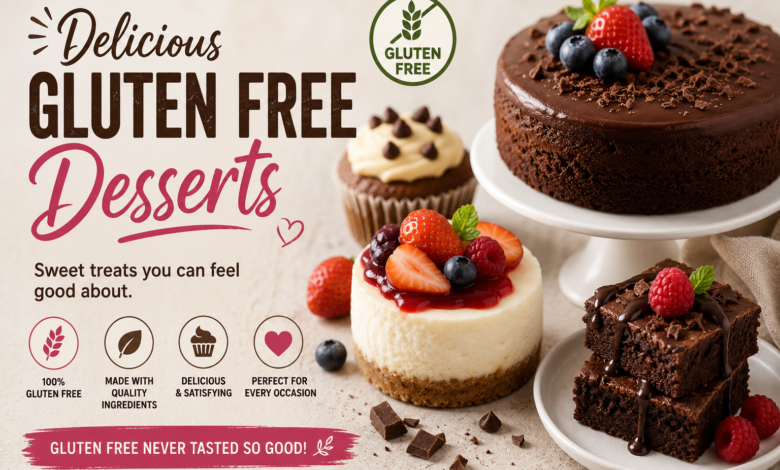
Gluten free desserts have evolved from niche alternatives into some of the most creative and satisfying treats available today. Whether you follow a gluten-free lifestyle because of celiac disease, gluten sensitivity, personal preference, or wellness goals, modern dessert options offer incredible flavor, texture, and variety without compromise. With the right ingredients and techniques, gluten-free sweets can rival or even surpass traditional baked goods.
From rich chocolate cakes and chewy cookies to elegant pastries and fruit-based creations, gluten free desserts now occupy a prominent place in home kitchens, bakeries, and restaurant menus. This comprehensive guide explores everything you need to know about ingredients, baking methods, dessert categories, health considerations, and practical strategies for consistently excellent results.
Why Gluten Free Desserts Are More Popular Than Ever
The growing popularity of gluten free desserts reflects increased awareness of dietary needs and a broader interest in better ingredient choices. Many consumers actively seek desserts made with almond flour and coconut flour because these ingredients provide unique flavors and textures while supporting gluten-free baking requirements. Modern recipes also benefit from improved flour blends that closely mimic conventional baking performance.
Social media, specialty bakeries, and food innovation have accelerated the demand for gluten-free treats. Creative bakers now use natural sweeteners and grain-free recipes to create desserts that appeal not only to gluten-free consumers but also to families looking for diverse and enjoyable dessert options. As a result, gluten-free baking has become mainstream rather than specialized.
Understanding Gluten and Its Role in Baking
Gluten is a protein found in wheat, barley, and rye that helps baked goods develop structure and elasticity. When creating gluten free desserts, bakers must replace those structural properties using ingredients such as xanthan gum and gluten-free flour blend to achieve desirable texture and consistency.
Without gluten, cakes, cookies, and pastries can become crumbly or dry if recipes are not properly balanced. Successful gluten-free baking often depends on combining binding agents and moisture retention techniques that help recreate the softness and stability people expect from traditional desserts.
Essential Ingredients for Exceptional Results
A well-stocked gluten-free pantry provides flexibility and consistency for a wide range of recipes. Popular ingredients include rice flour and tapioca starch, which help create light textures while contributing to proper structure. These ingredients frequently appear in commercial and homemade flour blends.
Many experienced bakers also rely on arrowroot powder and potato starch because they improve tenderness and create smoother batters. Understanding how these ingredients interact allows bakers to customize recipes for cakes, cookies, brownies, and specialty desserts with impressive results.
Popular Types of Gluten Free Desserts
The world of gluten free desserts includes far more than simple substitutions. Rich chocolate brownies, flourless cakes, cheesecakes, puddings, and frozen treats showcase the versatility of dessert recipes and sweet treats that naturally avoid gluten-containing ingredients.
Many traditional desserts can also be adapted successfully using modern baking techniques. Cookies made with alternative flours and cakes featuring homemade frosting demonstrate how gluten-free baking can deliver both visual appeal and outstanding taste for everyday enjoyment or special occasions.
Comparing Common Gluten-Free Dessert Ingredients
Choosing the right ingredient often determines the final texture, flavor, and performance of a dessert. Understanding the strengths of various ingredients helps bakers achieve more predictable outcomes while expanding their recipe possibilities using baking substitutes and healthy ingredients.
The following table highlights several popular options used in gluten free desserts alongside important characteristics related to recipe development and texture improvement.
| Ingredient | Primary Benefit | Best Uses | Texture Impact |
|---|---|---|---|
| Almond Flour | Rich flavor and moisture | Cakes, cookies, bars | Soft and tender |
| Coconut Flour | High fiber content | Muffins, cakes | Dense if overused |
| Rice Flour | Neutral flavor | Flour blends | Light structure |
| Tapioca Starch | Elasticity and chew | Cookies, breads | Chewy texture |
| Potato Starch | Soft crumb | Cakes and pastries | Moist texture |
| Arrowroot Powder | Thickening ability | Puddings and fillings | Smooth consistency |
| Xanthan Gum | Binding support | Most baked goods | Improved structure |
Health Benefits Associated with Gluten-Free Desserts
Not all gluten free desserts are automatically healthier, but many recipes incorporate nutrient-dense ingredients. Desserts made with whole food ingredients and nut-based flour often provide more protein, fiber, and healthy fats than highly processed alternatives.
Consumers increasingly appreciate recipes featuring fruit desserts and reduced sugar options because they deliver sweetness while supporting broader wellness goals. Thoughtful ingredient choices can transform desserts into more balanced treats without sacrificing flavor or satisfaction.
Common Mistakes and How to Avoid Them
One of the biggest mistakes in gluten-free baking is assuming every flour can be substituted equally. Different ingredients absorb liquid differently, making baking accuracy and ingredient ratios essential for reliable outcomes. Measuring carefully can dramatically improve results.
Another common issue involves overmixing or underhydrating batters. Successful gluten free desserts often require attention to batter consistency and oven temperature because gluten-free ingredients react differently during baking and cooling compared with traditional wheat-based recipes.
Best Gluten Free Desserts for Special Occasions
Celebrations deserve memorable desserts, and gluten-free options now rival traditional favorites in both appearance and flavor. Elegant cheesecakes, layered cakes, and chocolate tortes showcase the potential of party desserts and celebration cakes designed for diverse dietary preferences.
Guests frequently enjoy gluten-free desserts without even realizing they are gluten-free. Recipes featuring gourmet chocolate and artisan baking techniques create sophisticated presentations suitable for birthdays, weddings, holidays, and professional events.
No-Bake Gluten Free Desserts
No-bake recipes provide convenient solutions for busy households and warm-weather entertaining. Popular choices include mousse, cheesecake cups, energy bites, and parfaits made with quick desserts and easy recipes that require minimal preparation.
These desserts are especially useful for beginners because they eliminate many baking variables. By incorporating fresh berries and creamy fillings, no-bake creations offer impressive flavor while reducing complexity and preparation time.
Gluten-Free Baking Trends Shaping the Future
Consumer preferences continue to influence innovation in the dessert industry. Brands increasingly develop products featuring clean label ingredients and plant-based desserts to satisfy growing demand for transparency and dietary flexibility.
Technology and ingredient research have also improved recipe quality dramatically. New flour blends emphasizing functional nutrition and premium ingredients help bakers create desserts with improved texture, consistency, and overall eating experience.
Expert Tips for Better Gluten-Free Baking
Professional bakers often emphasize patience and experimentation when mastering gluten free desserts. Allowing batters to rest can improve hydration while supporting texture enhancement and ingredient integration throughout the mixture.
Another valuable strategy involves keeping detailed notes about recipe adjustments. Tracking baking performance and recipe optimization helps identify successful techniques and creates a reliable foundation for future baking projects.
A Valuable Perspective from Baking Professionals
Many experienced pastry chefs share a simple observation about gluten-free baking. As one baker famously noted, “Great desserts succeed because of flavor and texture, not because of the presence of wheat.” This perspective highlights the importance of culinary creativity and ingredient quality over strict adherence to traditional methods.
The quote resonates because modern gluten free desserts thrive when bakers focus on taste first. By combining flavor balance and dessert innovation, creators consistently produce treats that appeal to a broad audience regardless of dietary requirements.
Building a Gluten-Free Dessert Menu at Home
Creating a versatile dessert menu begins with mastering a few dependable recipes. A combination of brownies, cookies, and cheesecake allows families to explore home baking and kitchen confidence while developing practical skills.
Over time, experimenting with seasonal ingredients expands possibilities even further. Incorporating seasonal fruit and creative toppings keeps dessert offerings fresh, exciting, and adaptable throughout the year without requiring extensive culinary expertise.
Conclusion
Gluten free desserts have transformed from limited alternatives into a thriving category filled with creativity, flavor, and innovation. Through the use of quality ingredients and smart baking techniques, modern recipes deliver outstanding results that satisfy both dietary requirements and personal preferences.
Whether you are new to gluten-free baking or looking to refine existing skills, the opportunities are virtually endless. By exploring dessert inspiration and gluten-free recipes, you can create memorable treats that everyone at the table will enjoy and remember.
FAQ
Gluten free desserts continue to generate questions from home bakers and dessert lovers alike. The answers below address common concerns while highlighting practical guidance using baking knowledge and dessert expertise.
Understanding ingredients and techniques helps achieve more consistent results. These insights combine kitchen tips and recipe guidance that support successful gluten-free baking experiences.
What are gluten free desserts?
Gluten free desserts are sweet treats made without wheat, barley, or rye. Many gluten free desserts use alternative flours and specialized ingredients to maintain texture and flavor.
Are gluten free desserts healthier than regular desserts?
Not necessarily. Gluten free desserts can be healthier when they include nutrient-dense ingredients, but overall nutrition depends on the recipe and ingredient choices.
Which flour works best for gluten-free baking?
Almond flour, rice flour, and quality flour blends are among the most popular choices for gluten free desserts because they offer reliable structure and taste.
Can gluten free desserts taste the same as traditional desserts?
Yes. Modern ingredients and baking techniques allow gluten free desserts to achieve flavors and textures that closely match or even exceed traditional versions.
What desserts are naturally gluten-free?
Many puddings, flourless chocolate cakes, cheesecakes, fruit-based treats, and certain frozen desserts are naturally suitable as gluten free desserts.
How do I keep gluten-free cakes moist?
Using ingredients such as yogurt, fruit puree, and appropriate starches helps gluten free desserts retain moisture and remain soft after baking.
Are no-bake gluten-free desserts a good option for beginners?
Absolutely. No-bake gluten free desserts are often easier to prepare and require fewer technical baking skills while still delivering excellent results.
You May Also Read: Freelancing Tips