Application Mobile Dualmedia: Complete Guide to Features, Benefits, Development, Security, and Future Growth

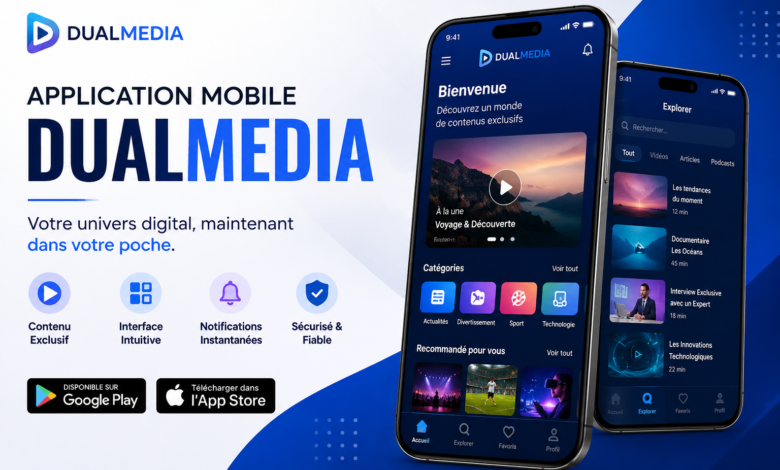
The digital world continues to evolve at a remarkable pace, and businesses increasingly rely on mobile solutions to engage customers, streamline operations, and create personalized experiences. An application mobile dualmedia represents a modern approach to mobile technology that combines multimedia functionality, communication capabilities, and user-focused design into a single ecosystem. As organizations compete for attention in crowded markets, having a flexible and powerful mobile application can become a major competitive advantage.
Whether the goal is customer engagement, content distribution, e-commerce growth, education, entertainment, or internal business productivity, an application mobile dualmedia can deliver value across multiple industries. This comprehensive guide explores how these applications work, their core features, development considerations, business advantages, security requirements, future trends, and practical implementation strategies.
Understanding Application Mobile Dualmedia
An application mobile dualmedia is designed to support multiple forms of media interaction within a unified mobile environment. Users can typically access video content, audio streams, messaging features, interactive tools, and personalized experiences through a single platform. The combination of mobile technology and digital content creates a seamless user journey.
Organizations often choose this model because it reduces fragmentation. Instead of forcing users to switch between several platforms, a unified application provides convenience and consistency. The integration of user engagement and multimedia integration helps businesses create stronger relationships with their audiences while improving retention rates.
Why Mobile Applications Matter in Modern Business
Consumer behavior has shifted dramatically toward mobile-first experiences. People shop, communicate, learn, and consume content primarily through smartphones. An application mobile dualmedia allows companies to meet customers where they spend most of their digital time. Strong customer experience and mobile accessibility contribute directly to satisfaction and loyalty.
Businesses also gain valuable operational benefits. Mobile platforms generate insights into user preferences, behavior patterns, and engagement metrics. By leveraging analytics tools and data-driven decisions, organizations can continuously refine services and improve outcomes based on real user activity.
Core Features of an Application Mobile Dualmedia
The most effective solutions combine functionality with simplicity. A well-designed application mobile dualmedia typically includes multimedia playback, messaging systems, notifications, content management tools, and user account features. Strong user interface and mobile navigation design ensure that these functions remain easy to access.
Personalization is another essential component. Modern users expect relevant recommendations and customized interactions. Through content personalization and behavior tracking, applications can present information that aligns with individual interests, increasing engagement and long-term usage.
Key Components and Their Functions
Understanding the architecture behind an application helps stakeholders make informed decisions. The front end focuses on what users see and interact with, while the back end manages databases, servers, and business logic. Effective application architecture and backend infrastructure ensure stability and scalability.
Additional components include APIs, cloud services, analytics systems, and security frameworks. Together, these technologies support communication between different systems while maintaining performance. Reliable cloud computing and API integration capabilities help applications remain flexible as requirements evolve.
Benefits for Businesses
One of the greatest advantages of an application mobile dualmedia is its ability to centralize communication and content delivery. Businesses can promote products, distribute information, provide support, and collect feedback through a single channel. Enhanced brand visibility and customer retention often follow.
Revenue opportunities also expand significantly. Organizations can introduce subscriptions, premium content, advertising opportunities, or digital commerce features. Combining monetization strategies and digital marketing initiatives within the application can create multiple income streams.
Benefits for End Users
Users appreciate convenience above almost everything else. A single platform that offers communication, information, and entertainment reduces friction and improves satisfaction. Strong user convenience and cross-platform access contribute to a more enjoyable experience.
The ability to receive personalized content and real-time updates further increases value. Through push notifications and custom recommendations, users stay informed and engaged without needing to search extensively for relevant information.
Application Mobile Dualmedia Development Process
Developing an application mobile dualmedia begins with identifying objectives, target audiences, and technical requirements. Planning is crucial because it establishes the foundation for design, functionality, and future scalability. Effective project planning and requirements analysis help prevent costly mistakes later.
The development phase typically includes UI design, coding, testing, deployment, and maintenance. Teams rely on agile development and quality assurance methodologies to ensure the final product meets user expectations while remaining reliable and secure.
Comparison of Development Approaches
Choosing the right development strategy depends on budget, timeline, and performance requirements. Different approaches offer unique advantages and limitations. Evaluating mobile frameworks and software development models helps organizations select the best path.
| Approach | Advantages | Challenges | Best Use Case |
|---|---|---|---|
| Native Development | High performance, excellent user experience | Higher cost | Feature-rich applications |
| Cross-Platform Development | Faster deployment, shared codebase | Some performance limitations | Budget-conscious projects |
| Hybrid Development | Quick development cycle | Limited customization | Simple business apps |
| Progressive Web Apps | Easy accessibility | Reduced device integration | Content-focused platforms |
Careful evaluation of development costs and platform compatibility requirements ensures that resources are invested effectively and long-term goals remain achievable.
User Experience and Interface Design
An application’s success often depends on how users feel while interacting with it. A clean, intuitive design encourages engagement and reduces frustration. Effective UX design and visual hierarchy make navigation simple and efficient.
Design decisions should prioritize accessibility and usability across different devices and screen sizes. Incorporating responsive design and accessibility standards ensures that diverse audiences can use the platform comfortably and confidently.
Security Considerations
Security remains one of the most important aspects of any application mobile dualmedia. Users trust applications with personal information, payment details, and communication data. Strong data protection and user privacy practices are essential for maintaining credibility.
Organizations should implement encryption, authentication systems, and regular security audits. Through cybersecurity measures and secure authentication, businesses can reduce risks while protecting both users and organizational assets.
Performance Optimization Strategies
Users expect fast and responsive applications. Slow loading times, crashes, and lagging interfaces often result in abandonment. Effective performance optimization and application speed improvements contribute directly to user satisfaction.
Developers can enhance performance through efficient coding practices, caching strategies, and server optimization. Leveraging resource management and load balancing techniques helps applications remain stable even during periods of high demand.
Content Management and Media Delivery
A successful application mobile dualmedia often depends on high-quality content and efficient distribution systems. Organizations need tools that simplify publishing, updating, and organizing information. Effective content management systems and media delivery frameworks streamline operations.
Content should also be tailored to audience preferences and consumption habits. Using audience insights and content strategy principles allows businesses to maximize engagement while maintaining consistency across all media formats.
Marketing and Growth Opportunities
Launching an application is only the beginning. Sustained growth requires strategic promotion and ongoing optimization. Effective mobile marketing and user acquisition initiatives help attract new users and increase visibility.
Retention strategies are equally important. Organizations that focus on customer loyalty and engagement campaigns often achieve stronger long-term growth because existing users continue to interact with the platform regularly.
Industry Use Cases
Many industries benefit from implementing an application mobile dualmedia. Educational institutions can deliver lessons, assessments, and communication tools through a single platform. Strong e-learning solutions and interactive content capabilities improve learning outcomes.
Healthcare organizations, retailers, entertainment brands, and corporate enterprises also leverage these systems. Through digital transformation and business innovation, organizations can modernize operations while improving customer and employee experiences.
Future Trends and Innovations
The future of the application mobile dualmedia landscape will be shaped by emerging technologies and evolving user expectations. Artificial intelligence, automation, and immersive experiences are becoming increasingly important. Advancements in artificial intelligence and machine learning will drive more personalized interactions.
New technologies such as augmented reality and advanced analytics will further expand capabilities. The combination of augmented reality and predictive analytics is expected to create richer experiences that deliver greater value to both businesses and users.
Expert Perspective on Long-Term Success
Technology leaders consistently emphasize that sustainable success comes from solving real user problems rather than chasing trends. A powerful application mobile dualmedia succeeds when it delivers practical value while maintaining simplicity and reliability. Strong customer-centric design and business strategy alignment remain essential.
As management expert Peter Drucker famously stated, “The purpose of business is to create and keep a customer.” This principle remains highly relevant today because effective digital experiences and mobile engagement strategies ultimately focus on serving users better.
Conclusion
An application mobile dualmedia is far more than a standard mobile application. It represents a comprehensive digital platform capable of combining communication, multimedia, personalization, analytics, and business functionality into a single user-friendly experience.
Organizations that invest in thoughtful planning, strong security, excellent design, and continuous optimization can unlock significant benefits. As mobile technology continues to evolve, the role of the application mobile dualmedia will become even more important in shaping customer experiences, supporting digital transformation, and driving sustainable growth.
FAQ
What is an application mobile dualmedia?
An application mobile dualmedia is a mobile platform that combines multiple media formats, communication tools, and interactive features within a single application experience while supporting multimedia content and user interaction.
Why do businesses invest in application mobile dualmedia solutions?
Businesses use application mobile dualmedia platforms to improve customer engagement, streamline communication, and create new revenue opportunities through digital services and mobile engagement initiatives.
Is application mobile dualmedia suitable for small businesses?
Yes, an application mobile dualmedia can help small businesses enhance visibility, improve customer communication, and support growth through mobile solutions and business scalability features.
What security features should an application mobile dualmedia include?
Important protections include encryption, authentication, monitoring systems, and privacy controls. An application mobile dualmedia should prioritize data security and access control mechanisms.
How long does it take to build an application mobile dualmedia?
Development timelines vary depending on complexity, features, and integrations. Most projects require careful software planning and development testing before launch.
What technologies influence the future of application mobile dualmedia?
Emerging technologies such as AI, machine learning, augmented reality, and cloud platforms are shaping the future of application mobile dualmedia solutions through intelligent automation and immersive experiences.
You May Also Read: Sad Captions for Instagram